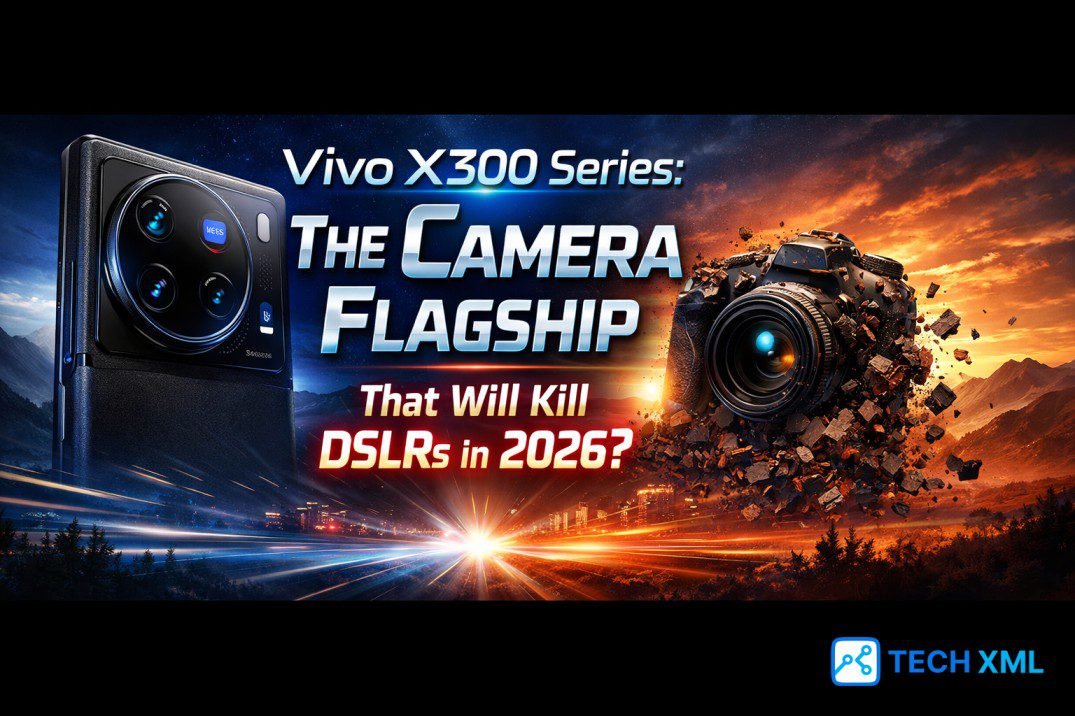
The Vivo X300 Series sits at the center of a debate that refuses to slow down, especially as smartphone cameras continue closing the gap with traditional photography tools. Many users now hesitate before buying a DSLR because phones promise professional results without complexity.
That hesitation feels stronger in 2026, as camera-centric smartphones deliver results once limited to bulky gear. People no longer ask whether phones can take good photos; instead, they ask whether dedicated cameras still justify their cost. This shift creates curiosity, confusion, and genuine excitement at the same time.
In this Guide:
The Rise of Camera First Smartphones
Smartphone brands now design flagships around cameras rather than treating them as secondary features. This change reflects how people actually use their phones every day. Social sharing, content creation, and instant publishing demand reliable imaging tools that work anywhere.
This new flagship arrives during this shift, positioning itself as a serious photography-focused device. Instead of chasing numbers, brands now chase consistency and realism. Users want photos they can trust, not just impressive specs on paper. This mindset explains why camera-first smartphones dominate flagship conversations in 2026.
What Makes the Vivo X300 Series a Camera Flagship
The device earns attention because it treats imaging as its core identity. Hardware choices, lens tuning, and processing decisions revolve around photography outcomes. It focuses on predictable results across lighting conditions rather than dramatic one-off samples.
This approach appeals to users who value reliability. Instead of forcing users to learn complex controls, the phone aims to deliver strong results naturally. That balance separates true camera flagships from ordinary premium phones.
Sensor Technology and Hardware Evolution
Sensor quality defines image credibility more than megapixel counts. The Vivo X300 Series uses a large sensor with improved light capture and stabilization. This design reduces noise while preserving detail, especially in challenging conditions. Hardware-level stabilization helps maintain clarity without relying fully on software correction. These improvements matter because they influence every photo taken, not just highlight shots.
Lens System and Optical Capabilities
Lenses shape how light reaches the sensor and how scenes feel emotionally. The series uses a refined lens setup with attention to focal length accuracy. Optical zoom feels more natural, while wide-angle shots maintain edge clarity. This consistency matters when users switch between lenses mid-shoot. The phone avoids exaggerated distortion that breaks realism.
Image Processing and Computational Photography
Processing defines how usable a photo feels straight out of the camera. The device applies computational photography quietly in the background. Instead of aggressive sharpening, it focuses on tone balance and skin accuracy. AI assists without overpowering natural textures. This restraint helps photos age well and remain editable later.
Smartphone vs DSLR: A Practical Comparison
Comparing smartphones with DSLRs often creates polarized opinions. However, real-world use paints a more balanced picture. The Vivo X300 Series competes strongly in convenience and speed. DSLRs still dominate certain professional workflows. Understanding these differences helps users choose wisely rather than emotionally.
Low Light Performance and Night Photography
Low light remains a traditional strength of DSLRs. This smartphone narrows the gap through sensor improvements and multi-frame processing. Night photos appear brighter without excessive noise. However, DSLRs still retain an edge in extreme darkness and controlled environments. Smartphones excel when speed matters more than perfection.
Portrait Photography and Subject Separation
Portraits test depth perception and subject isolation. The phone produces pleasing background blur with accurate edge detection. Hair separation looks more refined than previous generations. While DSLR lenses still deliver natural optical bokeh, the difference feels smaller for everyday portraits. Many viewers struggle to notice which device captured the image.
Video Recording for Creators and Filmmakers
Video creation pushes devices harder than still photography. The X300 delivers stabilized footage with consistent color science. Autofocus remains reliable during movement. DSLRs still win in cinematic flexibility and lens variety. However, phones win in portability and instant publishing workflows.
Read more on Tech XML:
Where the Device Truly Challenges DSLRs
Smartphones challenge DSLRs most where speed and accessibility matter. The Vivo X300 Series stays ready in moments when cameras remain packed away. This readiness changes creative behavior significantly. Users capture moments they would otherwise miss.
Convenience, Speed, and Everyday Readiness
Carrying a phone feels effortless compared to camera kits. The device encourages spontaneous shooting. This habit matters more than technical perfection for many users. Creativity thrives when tools feel accessible.
AI Assistance and Smart Shooting Modes
AI reduces cognitive load for users. The system adjusts settings automatically based on scenes. Users focus on composition rather than controls. This assistance empowers beginners without limiting experienced users.
Where DSLRs Still Hold the Advantage
Despite smartphone progress, DSLRs retain meaningful advantages. These advantages matter to professionals with specific needs. Acknowledging them builds trust rather than hype.
Professional Control and Manual Flexibility
Manual controls remain deeper on DSLRs. Physical dials and lens choices offer precision smartphones cannot fully replicate. Studio work benefits from this control. Professionals value predictable repeatability.
Specialized Use Cases and Long Term Reliability
Wildlife, sports, and extreme environments favor DSLRs. Battery endurance and ruggedness matter during long shoots. Smartphones continue improving but still lag in these scenarios.
Success Story: From DSLR Kit to a Smartphone
Arjun, a travel photographer from Himachal Pradesh, carried a DSLR for years. Weight and setup time slowed his workflow during solo trips. He tested the Vivo X300 Series during a short assignment. The phone delivered consistent results without interrupting his movement. Editing felt faster, and sharing happened instantly. Arjun now uses his DSLR only for commissioned shoots. For personal projects, the phone feels liberating and reliable.
Real User Reviews on Camera Performance
Aman Sharma, New Delhi
“I shoot street photography daily. This phone captures moments quickly without drawing attention. Colors stay realistic, which matters for storytelling.”
Neha Kulkarni, Pune
“I manage a food blog and need reliable photos every time. The camera performs well indoors and outdoors. Editing requires minimal effort.”
Rohan Mehta, Ahmedabad
“I create short travel videos. Stabilization feels smooth, and autofocus stays locked. Carrying one device simplifies my workflow.”
Forum Discussions: Can a Smartphone Replace a DSLR?
Forum Question by Kunal Verma, Jaipur:
Can a smartphone handle professional photography work reliably?
Answer:
Many users agree smartphones now handle most daily needs. DSLRs remain essential for niche requirements. Choice depends on use case.
Forum Question by Sneha Iyer, Bengaluru:
Should beginners invest in phones or cameras first?
Answer:
Experienced photographers suggest starting with smartphones. Learning composition matters more than gear initially.
FAQs About Camera Capabilities
Can this phone replace a DSLR for professional photography?
It handles many professional scenarios well. However, specialized photography still benefits from dedicated cameras and interchangeable lenses.
Is the device suitable for wedding photography?
It suits candid moments and behind-the-scenes coverage. Primary wedding shoots still favor DSLRs for reliability and lens flexibility.
How does it perform in low light conditions?
Low light performance improves significantly through sensor size and processing. Results satisfy most users except extreme darkness scenarios.
Does it support professional video workflows?
The phone supports stabilized video and color consistency. Advanced filmmakers may still prefer cameras with interchangeable lenses.
Who should choose this phone over a traditional camera?
Content creators, travelers, and casual photographers benefit most. Professionals with specialized needs should maintain dedicated gear.
Conclusion: Should You Trust This as Your Primary Camera?
The Vivo X300 Series represents how far smartphone photography has progressed by 2026. It challenges long-held assumptions about what phones can achieve. While it does not eliminate DSLRs entirely, it replaces them for many real-world users. The decision depends on workflow, expectations, and creative priorities. Understanding these factors leads to confident choices rather than emotional purchases. For many, the phone becomes the camera they actually use.


Leave a Reply