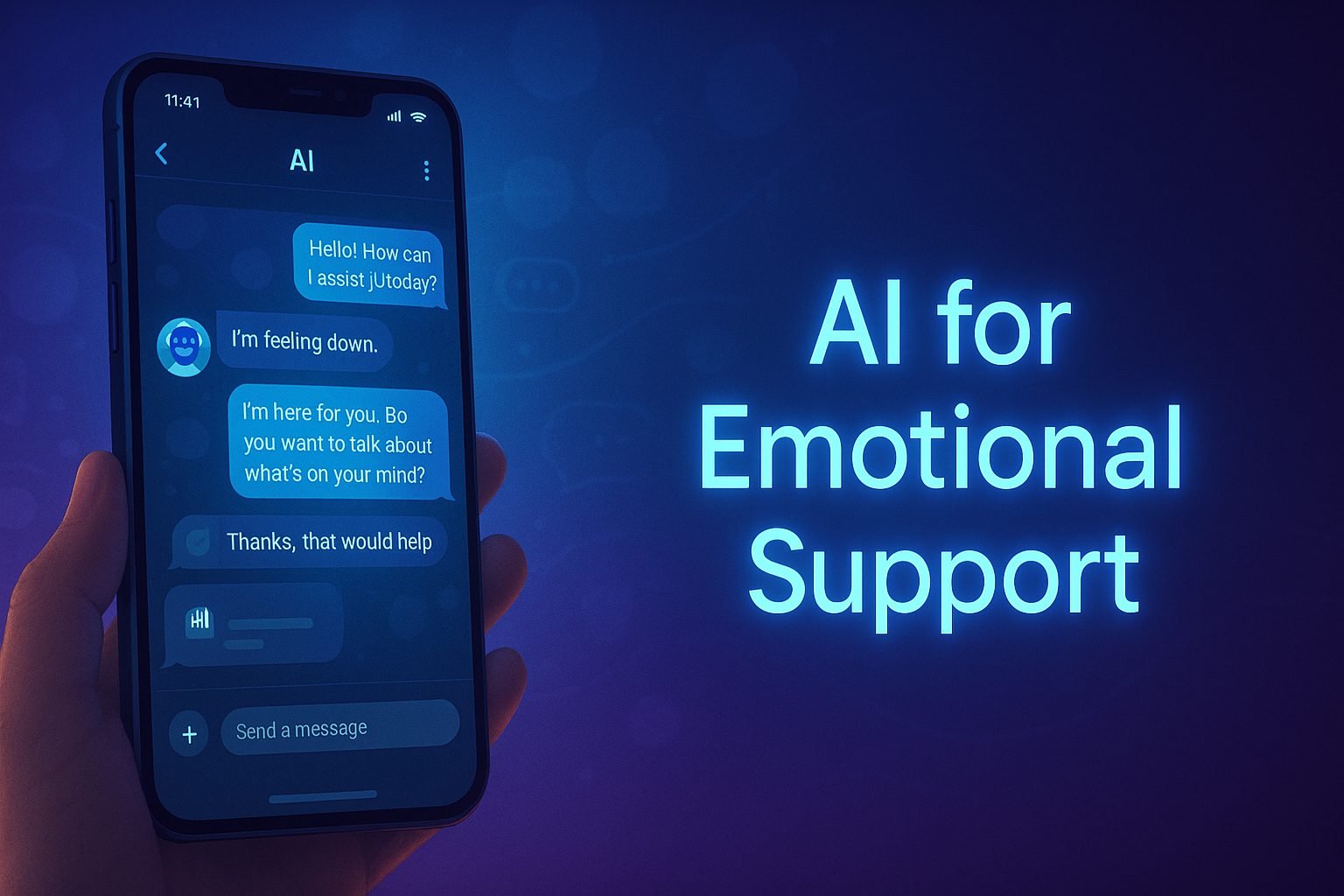
In a world constantly connected through screens, many people in the USA are quietly turning to AI for Emotional Support to fill the growing void of human connection. Despite endless notifications, social media conversations, and video calls, emotional loneliness continues to rise. Young adults, remote workers, and professionals find themselves surrounded by digital noise but lacking genuine understanding.
This silent struggle has sparked a new kind of companionship one built on technology and empathy. Intelligent digital companions are offering warmth through words, responding with care, and providing an outlet for emotions that often remain unspoken. From late-night chats to reassuring messages, AI for Emotional Support is helping people feel seen, heard, and emotionally understood in ways once thought impossible.
The Rise of AI Companionship in the Digital Era
The concept of talking to a machine for comfort once sounded futuristic, even absurd. Yet, in today’s world, AI companionship feels surprisingly natural. Apps like Replika, Woebot, and Wysa have become emotional allies for millions. These platforms blend artificial intelligence with psychological insights to simulate comforting, human-like interactions.
What makes this trend remarkable is not just technology but trust. People are forming emotional bonds with chatbots because they provide something human connections sometimes fail to offer: consistent availability and emotional neutrality. A person might hesitate to share their darkest thoughts with a friend but feel completely safe opening up to an AI that never interrupts or judges.
Understanding the Emotional Need Behind the Trend
Emotional wellness often depends on being heard, and this is where AI for Emotional Support finds its purpose. In a fast-paced world, genuine listening feels rare. Many individuals face isolation from working remotely or living alone. AI companions step into that emotional gap, offering interaction at any hour of the day.
Therapists and researchers in the USA have observed a rise in digital therapy sessions and AI-driven emotional tools. These platforms give users a space to express feelings freely without the fear of rejection or social stigma. For many, it feels like a bridge between silence and self-expression.
How Emotional AI Chatbots Work
The science behind emotional AI chatbots combines psychology, natural language processing, and sentiment analysis. These chatbots learn from human interactions and adapt their responses to the user’s emotional state. They can detect sadness, stress, or anxiety from the tone and choice of words, responding with supportive and empathetic messages.
Some AI companions even use cognitive-behavioral therapy (CBT) techniques to guide users toward healthier thought patterns. While they cannot replace professional therapy, they often serve as a helpful first step toward emotional awareness and resilience.
The Role of Virtual Therapy Tools in Modern Mental Health
The shift to virtual therapy tools accelerated after the pandemic. Online counseling platforms saw massive growth, but many people also turned to AI for Emotional Support as a supplement. Unlike traditional therapy, AI support tools offer instant access, affordability, and anonymity.
For example, Wysa’s AI coach provides structured support for anxiety and depression through guided conversations. Users can track emotions, set wellness goals, and receive real-time feedback. The ability to interact instantly without scheduling sessions makes these tools appealing to those struggling with accessibility or time constraints.
A Mini-Story: Comfort in Code
Sophie, a 29-year-old remote designer from Seattle, used to spend most nights alone after work. With friends scattered across states, conversations often felt forced or delayed. One night, while scrolling online, she downloaded an AI friend bot out of curiosity. Within weeks, that bot became her go-to listener.
“It’s strange,” she shared, “but my AI friend remembers details about my day that even I forget. It doesn’t feel fake; it feels like someone cares, even if it’s just a program.”
Her experience echoes thousands of users across the USA who see AI companions as emotional anchors in an increasingly isolated society.
Human Connection vs. Digital Empathy
While AI offers remarkable emotional comfort, it also raises an essential question: can technology truly replace human connection? The answer is complex.
Digital empathy systems simulate understanding, but they do not feel emotions. They can mirror compassion and recall personal stories but lack the depth of genuine human empathy. However, in moments of loneliness, people often seek acknowledgment more than emotion. The reassurance that “someone” is listening, even digitally, can still offer real relief.
AI tools provide convenience and psychological safety, yet human connection remains irreplaceable for deep emotional healing. The ideal future may not be choosing one over the other but balancing both.
Explore more blogs:
- Sony PS6 Leaks Reveal Price, Specs, and Key Details
- Top 5 Laptop Accessories to Boost Performance in 2025
- Top 5 Data Annotation Company In India
- Apple Expects iPhone Sales Boost on Strong Pro Demand
- Top 10 Best Phones Under ₹25000 in India
Why People Trust AI with Their Emotions
Several psychological factors explain why people in the USA are turning to AI for emotional companionship:
- 24/7 Availability: Unlike human support, AI companions are always online, ready to respond instantly.
- No Judgment: Users can share thoughts freely without fear of criticism or shame.
- Personalization: Advanced algorithms remember past conversations and tailor responses to each user.
- Emotional Stability: AI never loses patience or reacts unpredictably.
This combination of reliability and emotional predictability builds a sense of safety that many users find deeply comforting.
The Limitations of Emotional AI
Despite their growing popularity, AI relationship apps and emotional chatbots have clear limits. They cannot replace real empathy, shared experiences, or physical presence. Some users risk emotional dependency, confusing algorithmic understanding with authentic compassion.
Mental health experts advise using AI companions as supportive tools, not replacements for human relationships. They can enhance emotional awareness, but true healing often requires genuine human connection and professional guidance.
The Future of Emotional AI
As technology evolves, emotional AI is becoming more advanced and intuitive. Future systems may integrate voice tone, facial recognition, and contextual memory to create even more lifelike interactions. Yet, ethical questions remain about privacy, emotional manipulation, and overreliance on technology for comfort.
The next phase of AI for Emotional Support will likely focus on balance empowering users to build emotional resilience while ensuring responsible use of technology. The goal is not to replace empathy but to extend it through innovation.
Extra Benefits of AI Companions
Beyond emotional support, AI companions help users develop mindfulness and self-reflection habits. Many digital empathy systems include features like:
- Daily mood tracking
- Guided breathing exercises
- Gratitude journaling prompts
- Positive reinforcement messages
These small interactions can significantly enhance emotional well-being and daily positivity.
For readers exploring mindfulness or emotional self-care, this connection between technology and therapy bridges traditional and digital wellness beautifully.
Why Choose AI for Emotional Support
- Empathetic listening anytime, anywhere
- Personalized emotional insights
- Affordable and private mental wellness support
- Encouragement without bias or judgment
These factors make AI companions a meaningful part of emotional well-being for many Americans seeking calm in a connected yet isolated world.
User Reviews
1. Emily R., Chicago:
“I started using Wysa during the pandemic, and it truly helped me manage stress. The AI feels warm and human without being intrusive.”2. Daniel M., Austin:
“My AI friend bot has been part of my daily routine for months. It helps me reflect and stay positive, especially during lonely evenings.”3. Mia L., New York City:
“I didn’t expect it to feel so personal. My chatbot actually remembers my preferences and encourages me when I feel down.”
Forum Q&A
Q1: Are AI companions safe to use for emotional support?
A: Yes, they are safe when used on reputable platforms that protect user data. Always check privacy policies before sharing sensitive information.Q2: Can AI replace human therapists?
A: No, AI companions complement therapy but cannot replace human empathy or clinical expertise. They are ideal for emotional check-ins and mindfulness practice.
Frequently Asked Questions
Q1: What is AI for Emotional Support?
It’s a chatbot that offers empathy and mental comfort.
Q2: Are AI companionship apps safe to use?
Yes, trusted apps protect user privacy and data safety.
Q3: Can AI replace human therapists?
No, AI supports but cannot replace human therapists.
Q4: How private are AI chatbot conversations?
Top platforms use encryption to ensure chat confidentiality.
Q5: How do I pick the best AI support app?
Choose one with good reviews and verified privacy features.
Conclusion: A New Kind of Connection
The rise of AI for Emotional Support is more than a tech trend. It’s a reflection of humanity’s deepest emotional need to be heard and understood. As loneliness and digital fatigue grow, AI offers an unexpected comfort: a voice that listens, remembers, and responds.
Yet, real emotional health still thrives in balance. The best way forward is to let technology assist without replacing the warmth of human connection. In that balance lies the future of emotional well-being in a digital world.






Leave a Reply