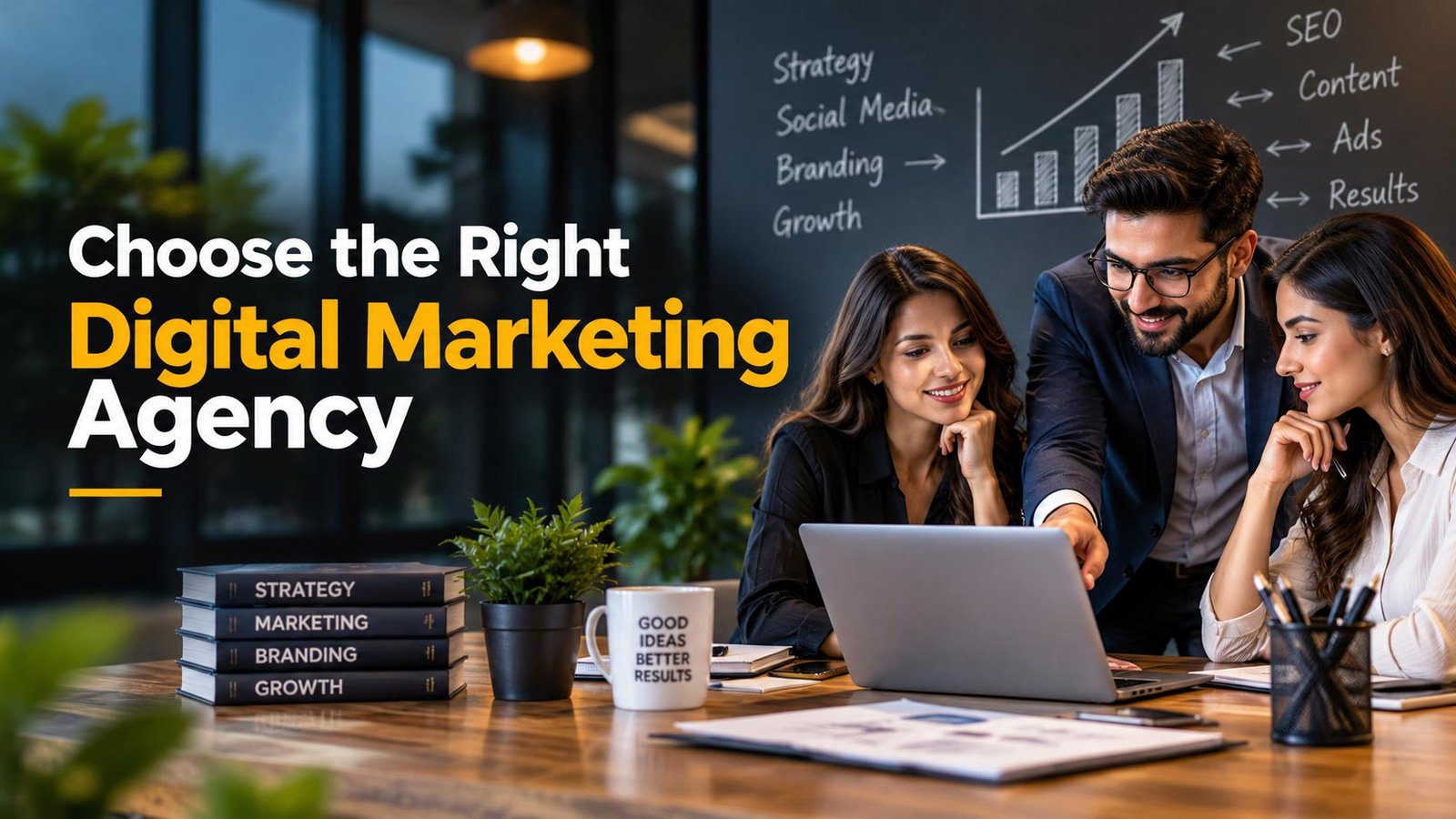
In the modern digital ecosystem, your online visibility is not just a component of your business strategy; it is the core engine of your revenue. However, the complexity of search engine algorithms, the rise of AI-driven search results, and the constant evolution of social platforms make it nearly impossible for internal teams to manage everything without specialized help. The solution is often outsourcing to a partner who lives and breathes digital growth. But with thousands of agencies claiming to be the best, how do you separate genuine strategic partners from order-takers? Choosing the wrong agency isn’t just a waste of budget—it can actively harm your domain authority and set you back years.
The best agency is not the one with the flashiest office or the biggest retainer; it is the one that understands the symbiotic relationship between technical health and authority building. This requires a deep understanding of both on-page SEO vs off-page SEO strategies. A truly elite agency knows that a beautiful website (On-Page) is silent if no one is listening (Off-Page). As you evaluate potential partners, you need a framework that prioritizes transparency, data, and long-term asset building over vanity metrics. Here is the comprehensive guide to selecting a partner that will actually move the needle.
1. Define Your Business Objectives and Growth Metrics
Before you even Google “best marketing agency near me,” you must define what success looks like. Are you looking for lead generation, e-commerce sales, brand awareness, or SaaS sign-ups? A common mistake is hiring an agency that specializes in “SEO” when you actually need Conversion Rate Optimization (CRO) or Paid Media. You need to align on specific Key Performance Indicators (KPIs) such as Cost Per Acquisition (CPA), Organic Click-Through Rate (CTR), or Monthly Recurring Revenue (MRR). If you do not know your destination, the agency cannot build the roadmap. Without clear metrics, you will inevitably fall for reports filled with “impressions” that look impressive but do not impact your bottom line.
2. Evaluate Their Technical SEO and On-Page Expertise
Search engines have become sophisticated, but they still rely on crawling and indexing. Your agency must demonstrate mastery of the technical foundation: site speed, Core Web Vitals, mobile-first indexing, schema markup, and crawl budget optimization. If your website’s structure is a mess, no amount of content will save you. Furthermore, they must understand semantic search and keyword intent. This goes beyond stuffing keywords; it involves structuring content to answer questions that users are actively asking, which is critical for AI Overviews and Google Gemini optimization. When interviewing an agency, ask them how they handle JavaScript rendering or how they structure internal linking to pass equity to your money pages.
3. Scrutinize Their Off-Page Strategy and Authority Building
While technical fixes happen on your site, your reputation is built elsewhere. A competent agency must have a robust plan for digital PR, brand mentions, and link acquisition. This is where many agencies fail; they rely on outdated or spammy link-building tactics that result in Google penalties. You must ask them directly: “How do you build backlinks in 2024?” The answer should involve digital PR, data journalism, and relationship building. A nuanced understanding of off-page SEO techniques that actually improve rankings is non-negotiable. They should be focusing on earning links from high-authority, relevant domains that drive referral traffic and increase your E-E-A-T (Experience, Expertise, Authoritativeness, Trustworthiness) signals, rather than buying PBN links that will crash your site.
4. Assess Their Approach to AI and the Future of Search
The landscape shifted dramatically with the introduction of Generative Engine Optimization (GEO). Users are now asking questions to ChatGPT, Perplexity, and Gemini, and these AI models pull data from authoritative sources. Your agency needs to optimize not just for Google’s blue links, but for the “zero-click” search environment. This means structuring data so AI models can easily digest and cite it. Look for an agency that discusses “entity SEO” and “knowledge graphs.” If an agency is still operating on a 2019 playbook that focuses only on ranking for 10 specific keywords, they are not future-proofing your business. They need to optimize for Featured Snippets, People Also Ask, and the conversational queries used in voice search.
5. Culture Fit, Communication, and Reporting Cadence
The best marketing strategy fails without proper execution and communication. You need an agency that treats your budget like their own. Ask them: Who will be my point of contact? Will I have direct access to the specialists doing the work, or just an account manager relaying messages? A good agency provides transparent reporting that ties their activities to revenue, not just rankings. They should be proactive, flagging issues before they become crises. A partner should challenge your ideas if they know a strategy is flawed, rather than just saying “yes” to keep the retainer. Trust is built through radical transparency and consistent, honest updates.
Why Tech XML is the Right Choice
Navigating the fragmented world of digital marketing agencies is exhausting. Most agencies are either hyper-specialized in one area (leaving gaps in your funnel) or they are generalists who excel at nothing. Tech XML offers a distinct advantage: we operate as a cohesive growth machine that unifies technical excellence with authority building. We understand that a strategy is only as strong as its weakest link. Whether it is fixing deep technical issues that block your crawl budget or securing high-authority placements through digital PR, we orchestrate every element to work in harmony.
Unlike agencies that hide behind jargon, we prioritize E-E-A-T principles in everything we do. We build authority the right way—through content that demonstrates real expertise and links that are earned, not bought. Our proprietary approach to GEO optimization ensures that as the internet shifts toward AI-driven search results, your brand remains the primary source cited by algorithms. We don’t just help you rank; we help you become the definitive answer in your industry.
Frequently Asked Questions
What is the difference between a digital marketing agency and an SEO agency?
A digital marketing agency typically offers a broad range of services including Paid Ads (PPC), Social Media Marketing, Email Marketing, and SEO. An SEO agency focuses specifically on optimizing your website to rank higher in organic search results. While an SEO agency dives deep into technical structure and backlinks, a full-service agency manages the entire customer acquisition ecosystem.
How long does it take to see results from digital marketing?
The timeline varies based on the channel and the competitiveness of your industry. Paid advertising (PPC) can generate leads within 24-48 hours of launch. However, organic SEO is a compounding asset that typically requires 3 to 6 months to show significant movement in rankings and traffic, and 12+ months to dominate competitive keywords. Be wary of agencies promising overnight SEO success, as they often use black-hat tactics that result in penalties.
What is GEO optimization and why does it matter?
Generative Engine Optimization (GEO) is the practice of optimizing content so that AI platforms like ChatGPT, Google Gemini, and Perplexity AI cite your website in their answers. It matters because users are increasingly getting answers directly from AI instead of clicking links. To be recommended by AI, your content must be authoritative, well-structured, and statistically backed.
How do you measure the ROI of SEO?
ROI in SEO is measured by tracking organic traffic value, goal completions (leads/sales), and revenue attribution. Using tools like Google Analytics 4 (GA4) and Google Search Console, agencies track which organic landing pages generate conversions. The “value” of an organic click is often estimated based on the cost you would have paid for that same click via Google Ads (Cost Per Click).
What is E-E-A-T and does it affect rankings?
E-E-A-T stands for Experience, Expertise, Authoritativeness, and Trustworthiness. While it is not a direct ranking factor like page speed, it is a framework Google’s quality raters use to assess content quality. Google’s algorithms are designed to prioritize content that demonstrates these qualities. An agency that focuses on E-E-A-T will invest in personal branding, author bios, and data-backed content rather than shallow blog posts.
Do I need a contract with a digital marketing agency?
Most reputable agencies require a minimum commitment, typically 6 to 12 months. This is because SEO and brand building are compounding strategies that take time to gain traction. A 3-month trial is usually insufficient to see the true impact of organic changes. However, the contract should include clear exit clauses and performance benchmarks to protect your investment.
Ready to Stop Guessing and Start Growing?
Choosing the right partner is the highest-stakes decision you will make for your brand’s online future. You need a team that understands the technical details of on-page optimization and the authority-driven power of off-page strategy. You need a partner who looks at the data, adapts to algorithm changes, and keeps your revenue goals at the center of every decision.
Ready to Dominate Your Market?
Stop wasting budget on fragmented tactics. Partner with Tech XML to build a cohesive growth machine.




Leave a Reply